
Are Mini-Splits More Energy-Efficient Than Traditional Central AC?
Home »
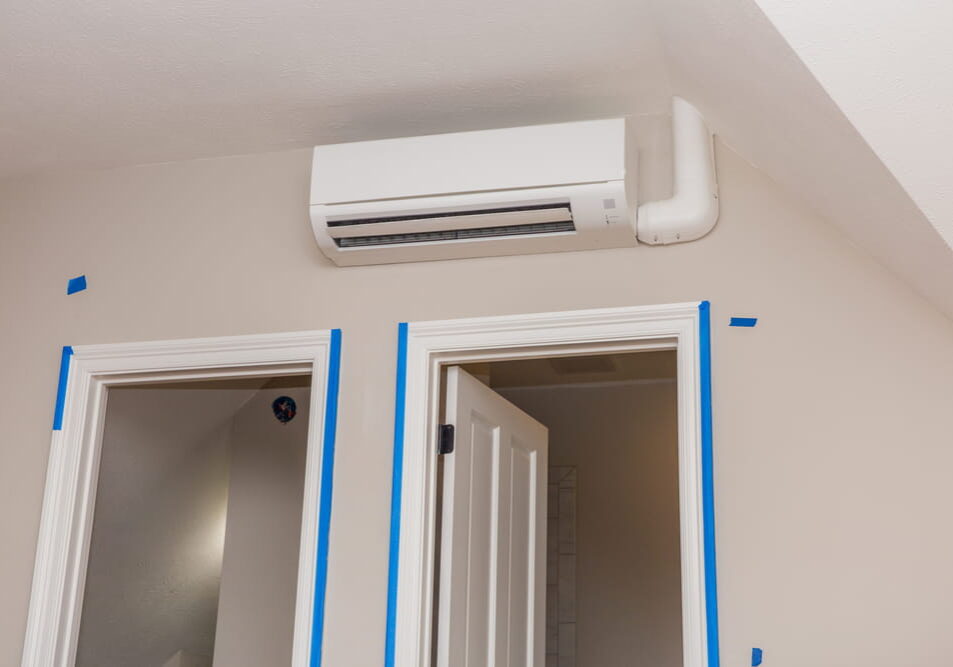
- Yes, mini-splits can be more energy-efficient than traditional central AC systems because they eliminate duct-related losses, utilize variable-speed inverter compressors, and allow direct room-by-room zone control.
- Traditional central AC systems rely on a single large compressor that cycles on and off at full blast, forcing conditioned air through massive duct networks where up to 30% of energy leaks out into unconditioned attic spaces.
The Direct Answer: Mini-Split Efficiency vs. Central AC
Mini-split systems outperform traditional central AC in overall energy efficiency. Standard central AC configurations deliver a fixed volume of cold air through central ductwork, whereas a modern mini split air conditioner uses variable-speed inverter tech to adjust cooling output in real time.
This direct heat transfer design avoids duct losses entirely. For homeowners evaluating a ductless mini split system in Katy, TX, the efficiency gain directly translates to lower monthly power bills, particularly during high-heat months.
How Traditional Central AC Loses Energy in Local Homes
- Central air conditioners depend on long runs of sheet metal or flexible ductwork installed in unconditioned attic spaces.
- In mid-summer, attic temperatures regularly climb past 120°F to 140°F, creating a massive thermal gradient against the 55°F air moving inside the ducts.
- Air leaks at duct joints, unsealed plenum connections, and thin insulation allow 20% to 30% of your paid-for cooling energy to escape into the roof structure before reaching your living space.
- Single-stage central compressors operate on a simple binary cycle: 100% full power or 0% off.
- Repeated hard starts draw high surge wattage (amps), creating electrical spikes and wearing down internal components faster.
At Big League Air, we perform static pressure tests on local duct systems every day. We constantly find ductwork sweating, leaking air, and losing thermal capacity in hot attics across Cinco Ranch and Grand Lakes.
The Engineering Behind Mini-Split Efficiency
- Direct-Drive Inverter Compressors: Instead of harsh on/off cycles, a modern mini split heat pump ramps up or down in tiny increments to match the room’s real-time thermal load.
- Ductless Delivery: Cold refrigerant pipes run directly to indoor air handlers, bypassing heat-soaked attic spaces entirely.
- Independent Zone Control: You only cool the spaces you are actively using, eliminating the wasted energy of cooling empty guest rooms or formal dining areas.
- Higher SEER2 Ratings: Modern ductless heating and cooling systems regularly achieve 20 to 30 SEER2 ratings, compared to standard central AC units that typically top out between 14 and 18 SEER2.
When our family-owned business installs a ductless HVAC system, we set up individual temperature zones. If your home office stays hot all afternoon while your primary bedroom remains cool, a mini-split addresses that specific zone without forcing your entire HVAC system to run continuously.
Real-World Efficiency Comparison
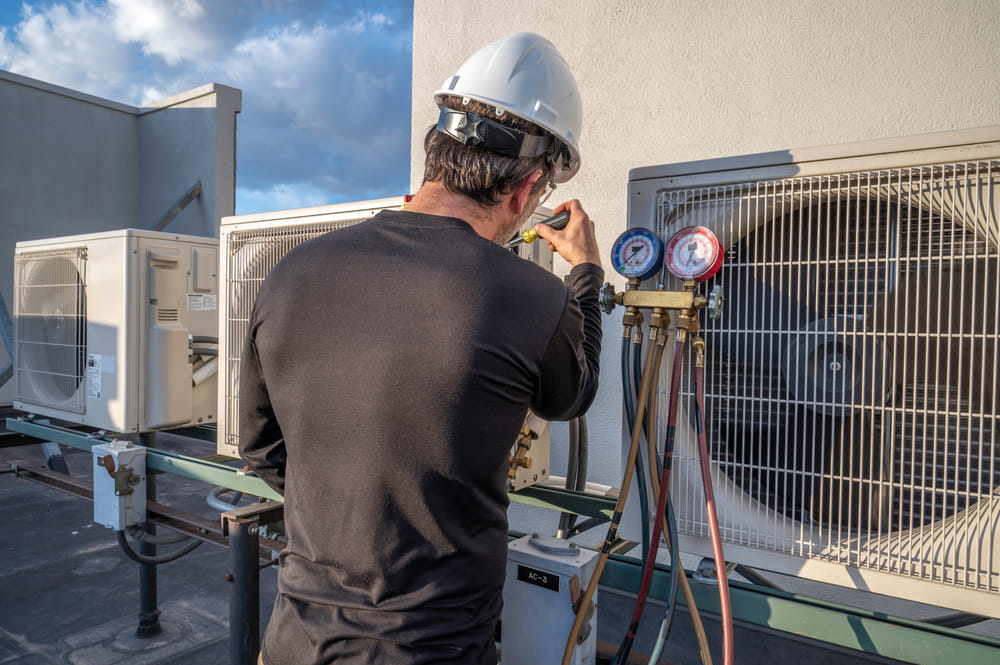
- Power Consumption Mechanism: Central AC uses single-speed or two-speed compressors with high start-up amp draw. Mini-splits use DC inverter compressors running as low as 10% capacity.
- Ductwork Losses: Central AC systems can lose conditioned air through leaks and heat transfer in attic ductwork. Mini-splits avoid the duct-related losses associated with central air distribution.
- Typical Efficiency Rating: Central AC averages 14.3 to 18 SEER2. Mini-splits range from 20 to 33 SEER2.
- Zoning Capability: Central AC requires expensive motorized dampers and bypass ducts for multi-zone control. Mini-splits feature native zone control with dedicated indoor heads.
- Humidification and Comfort Control: Central AC removes moisture only during full-power cycles. Mini-splits run longer low-speed cycles for continuous dehumidification.
Our technicians see this difference daily. Operating a central AC unit at full blast to cool a single warm bonus room upstairs wastes electricity. Installing individual ductless mini split units eliminates that wasted power immediately.
When Central AC Still Makes Sense
- Existing Functional Ductwork: If your home already has clean, properly sized, well-insulated ductwork in good condition, replacing a central unit with a higher-efficiency central heat pump can be cost-effective.
- Whole-House Uniform Layouts: Single-story floor plans with open layouts sometimes run efficiently on a properly sized single-stage or two-stage central unit.
- Lower Initial Capital Investment: Central system equipment replacements generally carry lower upfront equipment costs than installing multi-zone ductless systems across five or six separate rooms.
As a locally owned and operated contractor, we lead with truth in engineering. We run manual J load calculations for every single customer rather than pushing a specific system type. If a high-efficiency central unit fits your floor plan better, that is exactly what we recommend.
Financial Considerations, Warranties, and Financing
- Upfront Installation vs. Long-Term Power Bills: Mini-splits carry higher initial equipment costs for multi-room installs, but lower operating costs offset that investment over time.
- Targeted Upgrades: You can install a single mini-split head in problem areas, like garage workshops, sunrooms, or room additions, without replacing your entire central AC system.
- GreenSky Financing Options: We offer flexible GreenSky financing plans so local families can upgrade to high-efficiency equipment without draining their savings accounts.
- Comprehensive Warranties and Guarantees: Every unit we install comes backed by top-tier manufacturer warranties and our own lifetime Workmanship Guarantee.
- Maintenance Programs: Our “Comfort Club” membership keeps both central and ductless systems clean, calibrated, and performing at peak SEER2 ratings year after year.
Why Big League Air Approaches Comfort Differently
Our company rests on a firm foundation: God. Family. HVAC. As a God-fearing, God-led, spirit-filled company, we operate with complete transparency. We do not use aggressive sales tactics or push unnecessary equipment.
We treat your household like our own, offering faith-based HVAC services backed by elite technical training, NATE certifications, and Google 5-Star Rated service. When we evaluate your home’s cooling needs, we bring fast and reliable service built on honest diagnostics.
Frequently Asked Questions
- Are mini-splits really cheaper to run than central AC?
Yes, mini-splits consume less electricity because they eliminate duct loss and use inverter compressors that draw only the exact power needed. - Can a mini-split handle intense summer heat?
Yes, many high-efficiency inverter mini-splits are designed to perform reliably in very high outdoor temperatures. However, cooling performance can vary by model and operating conditions. - Do mini-splits require a lot of maintenance?
Mini-splits require simple monthly filter cleanings and annual professional coil rinses to maintain high air delivery and efficiency. - Can I combine a mini-split with my existing central AC system?
Yes, adding a single ductless unit to cool a hot room or new addition helps reduce the workload on your primary central AC unit.
Finding the Right Efficiency Balance for Your Home
Choosing between a ductless mini-split and a central air system comes down to your home’s layout, duct condition, and long-term energy goals. As we discussed at the beginning, high attic heat and duct loss make central AC systems fight an uphill battle. Ductless mini-split systems eliminate those duct losses, run on variable-speed power, and give you precise control over every room.
If you want lower utility bills, custom comfort zones, and fast, honest guidance from a team that puts faith and integrity first, Big League Air is ready to step up to the plate. Call us today at (832) 471-8708 or visit us online to schedule your full system evaluation with our Google 5-Star Rated team.