
Thermostat vs. HVAC System Diagnostics: A Sugar Land Homeowner Guide
Home »
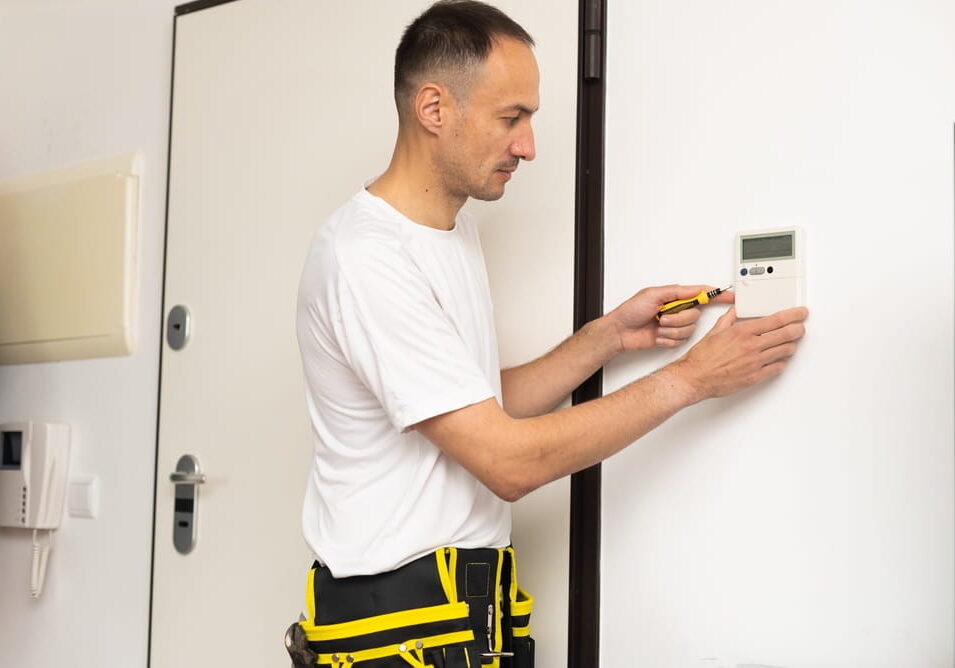
When your home turns into a sauna during a typical 95-degree afternoon in Fort Bend County, your immediate instinct is to check the wall display. You crank the setpoint down to 68 degrees, wait ten minutes, and realize nothing is happening. Is the wall unit failing, or is your cooling equipment giving up?
At Big League Air, we investigate these exact calls every single day across Sugar Land neighborhoods. A misdiagnosis can cost you hundreds of dollars in unneeded component swaps. The truth is that a blank, uncalibrated, or unresponsive wall control often mimics severe compressor failures, while a dying air handler can easily be mistaken for a faulty sensor.
If you are currently experiencing inconsistent indoor temperatures, we can help you pinpoint the precise root cause. Our team specializes in thermostat repair in Sugar Land, TX, giving local homeowners fast clarity on whether they need a simple wiring fix or a full system overhaul.
- Direct Answer Summary: A broken wall control typically shows a completely blank screen, loses its Wi-Fi connection, fails to trigger a click sound when calling for cooling, or displays a room temperature off by more than 3 degrees. An HVAC issue manifests as running air handlers that blow lukewarm air, outdoor condenser units making grinding sounds, rapid cycling on and off every few minutes, or ice forming along copper refrigerant lines.
Quick Diagnostic Checklist: Is It the Wall Unit or the Cooling Equipment?
Before assuming your entire air conditioning unit has failed, run through these primary indicators to narrow down the failure point.
- Blank Screen or No Power: The control display is completely dark, or the touch screen is unclickable. This points to dead batteries, a blown low-voltage fuse on the indoor control board, or a tripped float switch in your drain pan.
- Temperature Mismatch: The reading on the wall says 72 degrees, but your indoor air feels like 82 degrees with heavy humidity. This indicates a degraded thermistor or poor sensor placement relative to air drafts.
- System Never Turns On: You lower the cooling setpoint well below room temperature, but you hear no click from the wall unit and zero response from the outdoor condenser or indoor blower. This points to a broken relay in the control unit or a severed low-voltage wire.
- Blower Runs, But Air Is Warm: The indoor air handler runs constantly and pushes air through your registers, but the temperature never drops. This signals an HVAC component issue, such as a bad capacitor, loss of refrigerant, or a tripped breaker on the outdoor condenser unit.
- Short-Cycling: The system kicks on, runs for two to three minutes, and shuts down abruptly before reaching the target setpoint. This can be caused by improper thermostat cycle-rate settings or an overheating HVAC compressor triggering a high-pressure limit switch.
Deep Dive: Thermostat Failure Mechanics

Wall controls act as the central brain of your comfort setup. They send 24-volt signals through color-coded low-voltage wiring to command your indoor blower, heat strip, and outdoor compressor.
- Dead Batteries or C-Wire Loss: Most modern digital controls rely on a constant 24V supply via a common wire (C-wire) or backup AA/AAA batteries. When this power dies, the unit loses its memory, drops connection to your home network, and stops sending control signals.
- Corroded or Loose Wiring Connections: High humidity levels across the Gulf Coast can accelerate oxidation on delicate wire terminal screws (R, Y, G, W, C). Loose terminals interrupt signal flow, leading to intermittent cooling.
- Outdated Firmware or Software Glitches: Smart wall units running outdated software often freeze mid-cycle, drop schedules, or fail to communicate with two-stage equipment. A simple system reboot or firmware patch often resolves these anomalies.
- Faulty Internal Thermistor Calibration: Dirt accumulation, internal component wear, or placement near sunlight or supply registers skews the internal thermistor. When the sensor misreads room conditions, it fails to trigger cooling cycles when needed.
Deep Dive: Mechanical and Electrical HVAC Failures
When the wall unit functions correctly and sends the standard 24V call for cooling, a physical failure within the primary mechanical system will halt temperature drops.
- Failed Dual-Run Capacitor: The capacitor provides the electrical boost necessary to start your outdoor compressor and condenser fan motor. When it fails, the outdoor unit hums loudly without starting, while indoor vents blow warm air.
- Frozen Evaporator Coil and Refrigerant Leaks: Low refrigerant levels drop suction pressure, causing moisture on the indoor coil to freeze into a solid block of ice. Airflow stops completely, and cooling performance drops to zero.
- Clogged Drain Line and Float Switch Activation: High indoor humidity yields gallons of condensation daily. When algae clogs the primary condensate drain line, water backs up into the drain pan and trips an inline float switch, cutting all low-voltage power to prevent home water damage.
- Dirty Air Filters and Blower Motor Stress: Restricted airflow can place additional strain on the blower motor and cause the evaporator coil to freeze, reducing cooling performance and potentially triggering a safety shutdown.
Ductless Mini-Splits vs. Central Air Systems in Gulf Coast Homes
Choosing between a ductless AC system and a traditional central air system drastically alters how temperature control issues are diagnosed.
- Central Air Systems: Rely on a single central wall unit connected via long low-voltage wires running through attics or crawlspaces to an indoor furnace/air handler and an outdoor condenser. A single control failure disables the entire home.
- Ductless AC Systems: Utilize individual wall-mounted air handlers in each room, each containing its own internal return-air thermistor and handheld infrared remote or localized wall controller.
- Diagnostic Differences: If a central system stops cooling, the fault can lie anywhere along dozens of feet of ductwork, trunk lines, or central control boards. In ductless units, an issue in one room rarely affects other zones, isolating the fault directly to that specific indoor unit’s board or thermistor.
- Humidity Management Performance: Ductless systems excel at continuous low-speed dehumidification in targeted rooms, whereas short-cycling central systems often leave air feeling sticky and uncomfortable despite running constantly.
Local Climate Impact: Why Fort Bend County Accelerates HVAC Wear
Operating an air conditioner in our immediate region presents severe environmental challenges that do not exist in drier or milder climates.
- Relentless Summer Humidity: High dew points mean your system works twice as hard to extract moisture from the air before it can effectively drop the air temperature.
- Severe Condensate Generation: High moisture removal rates mean primary drain lines handle dozens of gallons of liquid weekly, making biological slime accumulation and float switch trips much more frequent.
- Corrosive Salt Air and Heavy Weather: Coastal air currents and sudden summer downpours accelerate coil corrosion and rust electrical terminals within outdoor disconnect boxes and control units.
- Attic Heat Extremes: Attic spaces regularly surpass 130 degrees during peak afternoon heat. Uninsulated ductwork and low-voltage wiring passing through these spaces suffer rapid thermal degradation.
Upgrading Your System Controls and Whole-Home Equipment
If your testing confirms that your control hardware or mechanical unit is beyond simple repair, picking the right replacement pathway is vital for long-term comfort.
- Installing a Smart Thermostat: Upgrading to a modern smart thermostat allows for precise schedule programming, remote temperature monitoring, and automatic humidity sensing. These devices optimize compressor run times and lower monthly energy usage.
- Professional Thermostat Installation: Improper wiring during a DIY installation can easily burn out a 24V transformer on your indoor control board. Professional thermostat installation ensures correct jumper settings, common-wire power delivery, and proper equipment staging.
- Upgrading to a Smart Home Thermostat: Integrating a smart home thermostat with your home network provides real-time alerts if indoor temperatures spike while you are away, allowing you to catch mechanical failures before interior humidity damages flooring or walls.
- Complete System Replacement: When an older, R-22, or high-mileage R-410A central unit experiences major compressor or coil failures, replacing the wall control won’t restore efficiency. Upgrading to a modern high-SEER2 central or ductless system restores reliable performance.
- Evaluating Thermostat Services: Professional thermostat services include precision calibration, firmware updates, wiring harness inspections, and system communication checks to maximize equipment life.
- Executing a Timely Thermostat Replacement: Swapping out an aging mechanical dial or early digital model for a modern unit prevents unexpected mid-summer communication dropouts and improves temperature accuracy.
The Big League Air Difference: Faith, Integrity, and Guaranteed Service
At Big League Air, we treat every customer like family. Our business was built on a firm foundation: God. Family. HVAC. As a God-fearing, God-led, and spirit-filled company, we bring transparency, honesty, and clear communication to every diagnostic visit. You will never experience high-pressure sales tactics or unnecessary component swaps when you work with us.
- Family-Owned and Faith-Based: As a family-owned business that is locally owned and operated, our familial God faith-based core value guides how we serve our neighbors daily. We provide true faith-based HVAC services that put your family’s safety and comfort first.
- Google 5-Star Rated Quality: Our reputation speaks for itself. We take immense pride in being Google 5-Star Rated across the region because we treat every home with utmost care.
- Unmatched Protections: We back our work with a strict workmanship guarantee and offer robust warranties on equipment installations and repairs.
- Fast and Reliable Service: We know an outage during high heat is an urgent emergency. Our team delivers fast and reliable service to get your home cooling again without delay.
- Accessible Financing and Memberships: Quality indoor comfort should fit every family’s budget. We offer flexible GreenSky financing options to ease major replacements, alongside comprehensive membership plans that keep your system maintained year-round.
Frequently Asked Questions
- How can I tell if my wall unit simply needs new batteries?
If the display screen is completely blank or shows a low-battery icon, replace the batteries immediately. If the screen remains blank after fresh batteries, the issue is likely a tripped float switch or a blown low-voltage fuse on your indoor air handler. - Can a bad wall control cause my outdoor condenser unit to freeze up?
Yes, if the control unit suffers a shorted internal relay, it may continuously run the outdoor compressor while shutting off the indoor blower motor. Without indoor airflow across the evaporator coil, the refrigerant lines will quickly freeze solid. - Why is my indoor temperature higher than what my wall display shows?
This occurs when the internal thermistor loses calibration, sits in a direct cold draft, or suffers from unsealed wall holes leaking cool air from inside the wall cavity directly behind the unit mounting plate. - Will installing a modern smart control lower my monthly electric bill?
Yes, a properly configured unit reduces unnecessary cooling runtime through automated scheduling, geofencing, and variable-speed fan controls, often shaving 10% to 15% off annual cooling costs. - What happens when a high-humidity float switch trips?
When your condensate drain line clogs, rising water in the pan lifts a safety switch that breaks the 24V red wire connection. This instantly shuts off the thermostat screen or kills power to the outdoor compressor to prevent ceiling overflows.
Restoring Peace and Comfort to Your Home
When your home begins to warm up during an intense heatwave, figuring out whether you are dealing with a simple display glitch or a major mechanical failure can feel overwhelming. As we established at the beginning of this guide, a blank display screen or an unresponsive control board often produces the exact same uncomfortable result as a burnt-out compressor or a bad run capacitor. Jumping to conclusions without running proper diagnostics usually leads to unnecessary expenses and prolonged discomfort.
By taking a structured, answer-first approach to troubleshooting, checking display power, observing blower activity, listening for compressor contactors, and inspecting your drain pan float switch, you can quickly separate control issues from primary equipment faults. Whether your home relies on a traditional central air system or localized ductless mini-splits, understanding how these components communicate allows you to make informed decisions for your household.
At Big League Air, we are committed to providing straight answers and reliable solutions. If you suspect a broken control unit or an underlying cooling system breakdown, do not wait for interior humidity to compromise your indoor comfort. Contact our team today to schedule your diagnostic appointment, explore our GreenSky financing options, or learn more about our ongoing membership plans. Let our family serve yours with fast, honest, and expert care!